

It takes a minute to test GFCI outlets, and it is one of the easiest safety checks in the house. A GFCI outlet cuts power in a fraction of a second when it senses current leaking where it should not, such as through a person. It only helps if it still works. Testing takes about a minute per outlet.
Where GFCI protection belongs
GFCI protection is required in wet and damp areas such as bathrooms, kitchens, garages, outdoors, laundry areas and near sinks. Exact rules depend on the code edition in effect when the work was done, so older homes may have fewer than current code calls for. In a humid, storm-prone area like ours, outdoor and garage outlets work hardest.
How to test one
- Plug in a lamp or radio and turn it on so you can see when power drops.
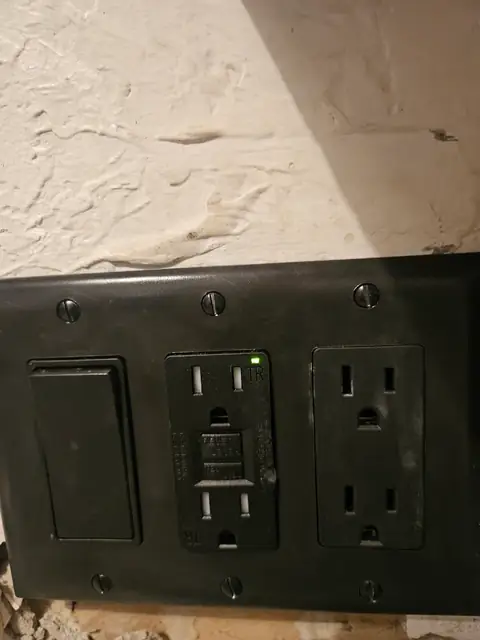
- Press the TEST button. The device should click and the power should go off.
- Press RESET. The power should come back on.
Manufacturers recommend doing this monthly. Put it on your calendar with your smoke alarm test.
The outlet has failed or there is a fault on the circuit. Stop using it and have it replaced. A GFCI that no longer trips gives you protection on paper only.
One GFCI can protect several outlets
Many homes have a single GFCI that protects other outlets downstream. If an outdoor or bathroom outlet is dead, look for a tripped GFCI in the garage, a bathroom or the kitchen before assuming the outlet itself has failed.
Replace them proactively
GFCI outlets wear out, and moisture and surge damage shorten their life. If yours is more than 10 years old, shows corrosion, or has been tripping for no clear reason, replacing it is inexpensive insurance. Outdoor outlets should also have a weather-resistant cover that stays closed over a plugged-in cord.
When to call a pro
If a GFCI keeps tripping with nothing plugged in, if it trips every time it rains, or if you have older two-prong outlets in wet areas, a licensed electrician should take a look.
Why test GFCI outlets every month in Florida
Florida homes have a lot of GFCI-protected outlets: kitchens, baths, garages, laundry rooms, lanais and every outdoor outlet. They also see a lot of humidity and lightning, and both can wear out or damage a GFCI without any obvious sign. The only way to know one still protects you is to test GFCI outlets on a schedule.
Make it easy to remember
- Test GFCI outlets on the same day you test smoke alarms.
- Keep a small plug-in tester or night light in the kitchen drawer for quick checks.
- Write down any outlet that fails, and stop using it until it is replaced.
ESFI explains how ground-fault protection works and where it is required. If you test GFCI outlets and find one that fails, or rooms that have none, our outlet installation service covers GFCI and AFCI upgrades, and garage circuits often need them too.
This article is general information, not a substitute for an on-site inspection. Electrical work can be dangerous and often requires a licensed electrician and a permit.