

Good hurricane season electrical prep starts long before a storm is named. Storms are hard on electrical systems, and the biggest dangers often show up after the wind dies down. A little preparation protects your family, your equipment and the line crews working to restore power.
Plan hurricane season backup power the safe way
Never plug a generator into a wall outlet or a dryer receptacle. That is called backfeeding, and it can send power back onto the utility lines and seriously injure or kill a lineworker. The safe options are:
- a generator inlet box with an interlock kit on your panel
- a transfer switch sized for the circuits you want to run
- extension cords rated for the load, run directly from the generator to the appliance
Generator hookups usually need a permit and an inspection. A licensed electrician can size the inlet, match it to your generator and handle the permit.
Run generators outdoors, away from the house
Carbon monoxide from a generator can kill within minutes. Keep it outside, well away from doors, windows and vents, and never in a garage or on a lanai. Install battery or plug-in carbon monoxide alarms on every level.
Add surge protection before hurricane season
A whole-home surge protector at the panel helps absorb the spikes that come with lightning and power restoration. Plug-in surge strips still help for sensitive electronics. Neither is a guarantee against a direct strike, but both lower the risk.
Before a hurricane season storm arrives
- Charge phones and power banks, and have flashlights ready instead of candles.
- Know where your main breaker is and how to shut it off.
- Secure outdoor fixtures and check that outdoor outlet covers close properly.
- Test your GFCI outlets and smoke and CO alarms.
- Stay far away from downed power lines and anything touching them. Call 911 and your utility.
- If water has reached outlets, switches, your panel or your meter, do not touch them and do not turn the power back on.
- Have a licensed electrician inspect flooded or storm-damaged electrical equipment before it is re-energized.
Do it before the forecast cone shows up
Electricians book up fast once a storm is on the map. If you want a generator inlet, an interlock or a surge protector, the best time to schedule it is well before you need it.
Hurricane season electrical prep for your generator hookup
The most common gap we find during hurricane season electrical prep is the generator connection. Many homeowners own a generator but have no safe way to connect it, so they plan to run extension cords through a window or, worse, backfeed through a dryer outlet. Both are dangerous. An inlet box with an interlock kit, or a transfer switch, lets you power the circuits you choose without risk to you or to the line crews.
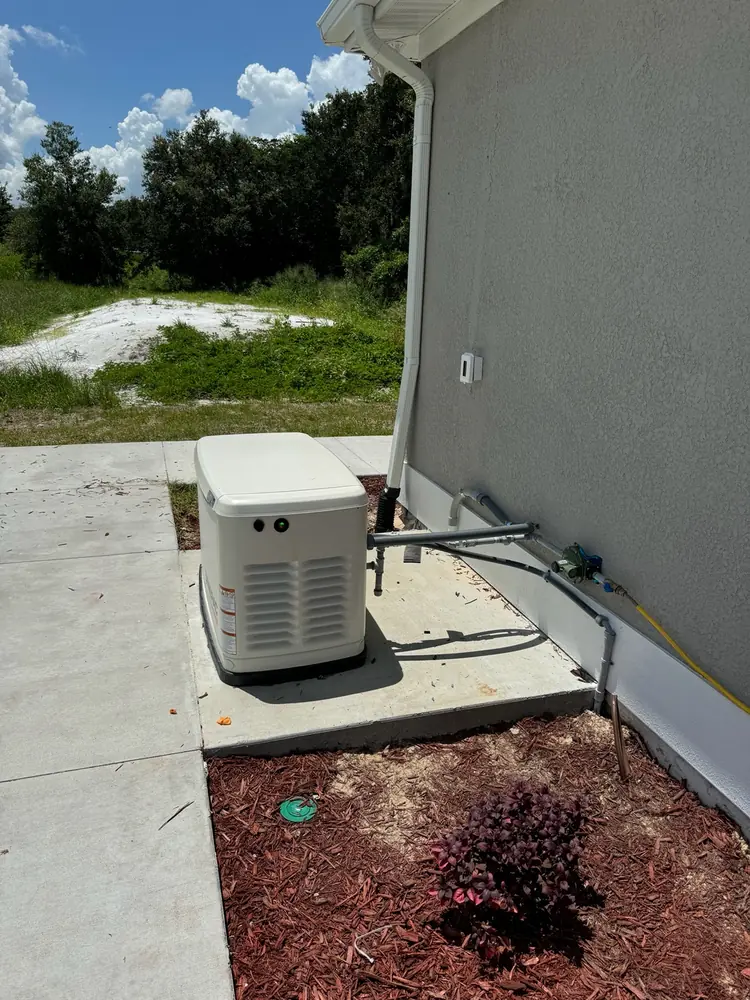
Your generator checklist for the start of hurricane season
- Start the generator and run it under load for a few minutes.
- Confirm the cord matches the inlet and is in good shape.
- Practice the switchover steps in daylight, so you can do them in the dark.
- Pick a spot outdoors, well away from doors, windows and vents.
Carbon monoxide from generators is a leading cause of injury after storms. The CDC explains how carbon monoxide poisoning happens and how to avoid it. If you still need a safe connection, our generator hookup service covers inlet boxes, interlock kits and transfer switches, and a panel upgrade is the right time to add whole-home surge protection.
This article is general information, not a substitute for an on-site inspection. Electrical work can be dangerous and often requires a licensed electrician and a permit.